
Deprecated: mb_convert_encoding(): Handling HTML entities via mbstring is deprecated; use htmlspecialchars, htmlentities, or mb_encode_numericentity/mb_decode_numericentity instead in /mnt/storage/stage/builds/pugpig-site-subs-server/latest-1.2.0-1753096337.768322/pugpig-site-subs/content.php on line 225
Free to be religious?
In the modern world we are concerned about the rights and responsibilities of citizens and the state. Gordon Reid asks: ‘How important is it that we are free to be religious?’
Edexcel: 6RS02, AS Unit 2 Investigations WJEC: AS 1471 RS/CS
Most people in the UK believe that they have always been free to practise their religious beliefs in whatever way they please. But they are wrong. Freedom to worship may be seen as an essential human right, yet until very recently in the UK there were serious restrictions on an individual’s freedom to follow their own religion in the way they choose.
To begin with, every UK citizen has the right to freedom of speech and this is protected by Article 19 of the Universal Declaration of Human Rights, which recognises:
‘Everyone has the right to freedom of opinion and expression; this right includes freedom to hold opinions without interference and to seek, receive and impart information and ideas through any media and regardless of frontiers.’
Freedom of speech includes the right to express and offer information and ideas and also includes the right to seek information, to receive information and to give information to others. It covers not only the spoken word, but also writing, art and the internet.
The only real limitations to free speech are that people may not make public speeches that might seriously harm or offend others or incite violence and hatred.
Blasphemy
But until quite recently, in the UK freedom of speech was also limited when it came to matters of religion. The offence of blasphemy made it illegal to speak in a derogatory way about God — denying his being, making fun and scoffing at the scriptures and exposing the name of Jesus Christ, or the Bible, to scorn and ridicule. It was only in 1921 that William Gott became the last offender to be sent to prison for blasphemy, after he published two pamphlets poking fun at the scriptures and comparing Jesus to a circus clown.
In 1977 a private prosecution for blasphemous libel was taken out by the Nationwide Festival of Light, an evangelical Christian society, against the publishers of Gay News for printing a poem called ‘The love that dares to speak its name’ which suggested that Jesus was a homosexual. Soon after, the film Monty Python’s Life of Brian was released and met with public protests from religious groups.
In 1988, following the publication of his book The Satanic Verses, British author Salman Rushdie was accused of blasphemy by Islamic groups and the Iranian clerical leader Ayatollah Khomeini issued a fatwa in 1989 calling for Rushdie’s death. In the UK a number of prominent Muslims called for Rushdie to be charged with blasphemy, but their requests were refused because, at that time, blasphemy laws only covered Christianity.
In 2005 the BBC received 63,000 complaints from Christian viewers who had been offended by a scene in Jerry Springer: The Opera which portrayed Jesus as a homosexual. An organisation called Christian Voice tried to bring a private blasphemy prosecution, but this was rejected and blasphemy laws were held to be contrary to the freedom of speech provisions of the Human Rights Act 1998. Blasphemy laws were abolished in England and Wales in July 2008. In their place, the Race and Religious Hatred Act 2006 now makes it an offence in England and Wales to incite hatred against people on the grounds of religion or race.
Race and Religious Hatred Act
But not everyone is happy and complaints about lack of religious freedom remain. There have been a number of arguments for and against the Race and Religious Hatred Act. Those in favour claim that the new law will protect religious minorities from religious hatred and scorn and will curb racial and cultural hatred. This prompted The Sunday Times to declare that ‘…such a law is required to protect Muslim communities from Islamophobia’ (6 February 2005).
Those against the Act claim that it prevents freedom of speech in religious matters because comedy and satire are important aspects of that freedom. Rowan Atkinson wrote in the Independent: Dr Don Horrocks of the Evangelical Alliance’ said in April 2005: ‘This legislation is likely to undermine freedom of speech, damage community relations and usher in a new climate of illiberalism and repression.’
‘To criticize a person for their race is manifestly irrational and ridiculous but to criticize their religion, that is a right…the freedom to criticize ideas, any ideas — even if they are sincerely held beliefs — is one of the fundamental freedoms of society and a law which attempts to say you can criticize and ridicule ideas as long as they are not religious ones is a very peculiar law indeed.’
Independent, 4 December 2004
Freedom of speech is not the only area of controversy in religious freedom. Article 9 of the Human Rights Act 1998 states that everyone has the right to freedom of thought, conscience and religion; this right includes freedom to change their religion or belief and to worship and observe their religious faith, free from being obstructed by others.
However, there are serious limitations to this freedom in the UK. Religious believers must be careful not to offend public morals — for example, by sacrificing a goat in their garden — and must not infringe the freedoms of others.
FREEDOM OF SPEECH IS NOT THE ONLY AREA OF CONTROVERSY IN RELIGIOUS FREEDOM. ARTICLE 9 OF THE HUMAN RIGHTS ACT 1998 STATES THAT EVERYONE HAS THE RIGHT TO FREEDOM OF THOUGHT, CONSCIENCE AND RELIGION; THIS RIGHT INCLUDES FREEDOM TO CHANGE THEIR RELIGION OR BELIEF AND TO WORSHIP AND OBSERVE THEIR RELIGIOUS FAITH, FREE FROM BEING OBSTRUCTED BY OTHERS.
Religious clothing
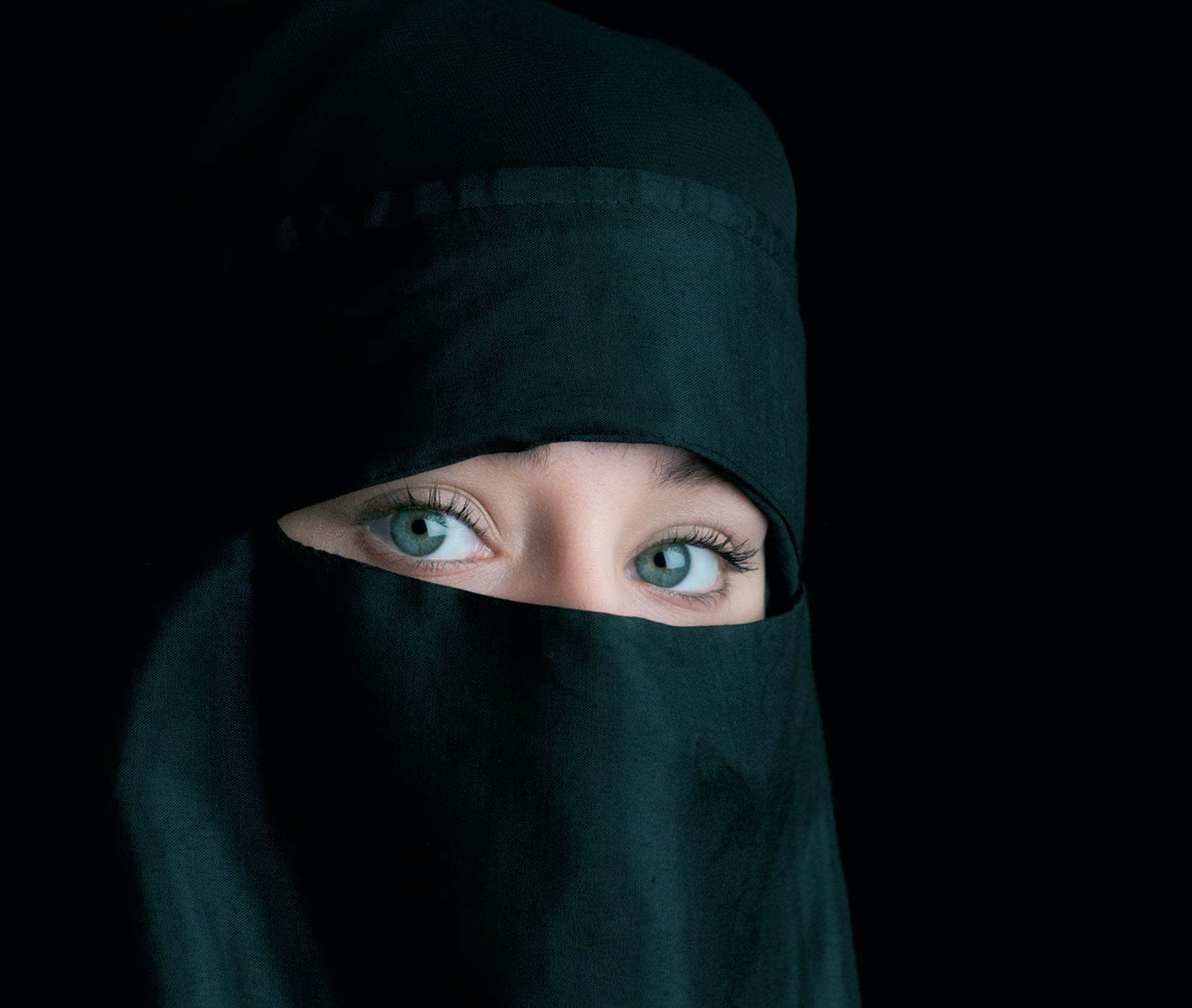
Religious clothing is also a source of controversy. Although in the UK people are generally allowed to dress however they wish (so long as they do not infringe the laws of public decency), there are restrictions on certain types of clothing which reflect particular aspects of religion and culture.
For example, in October 2006 government minister Jack Straw wrote in the Lancashire Evening Telegraph that, in his work as a Member of Parliament, he preferred talking to Muslim women who did not wear the niqab (face veil) as he could see their face, and would politely ask women who wore the niqab if they would mind taking it off when they spoke to him. Straw’s views sparked a wide-ranging debate, with some people supporting his views and others accusing him of encouraging religious prejudice.
At the same time, a case arose at a primary school in Dewsbury, West Yorkshire, when a 23-year-old Muslim teaching assistant, Aishah Azmi, was suspended from her post for refusing to remove her veil in class. The school authorities claimed that the pupils could not understand her when she spoke wearing the veil.
The then prime minister, Tony Blair, said on BBC news that he thought the veil was a ‘mark of separation’ (6 October 2006), and Chancellor Gordon Brown said in The Times that it would be ‘better for Britain’ if fewer women wore the veil (11 October 2006). But other politicians disagreed. Mayor of London Ken Livingstone said in a BBC radio interview: ‘…that a powerful man can say to a completely powerless woman, I think you should take your veil off, I think is completely and utterly wrong and insensitive.’ Nazir Ahmed, the first Muslim peer in the House of Lords, accused the government of: ‘…a constant theme of demonising the Muslim communities’ (Times, 13 October 2006).
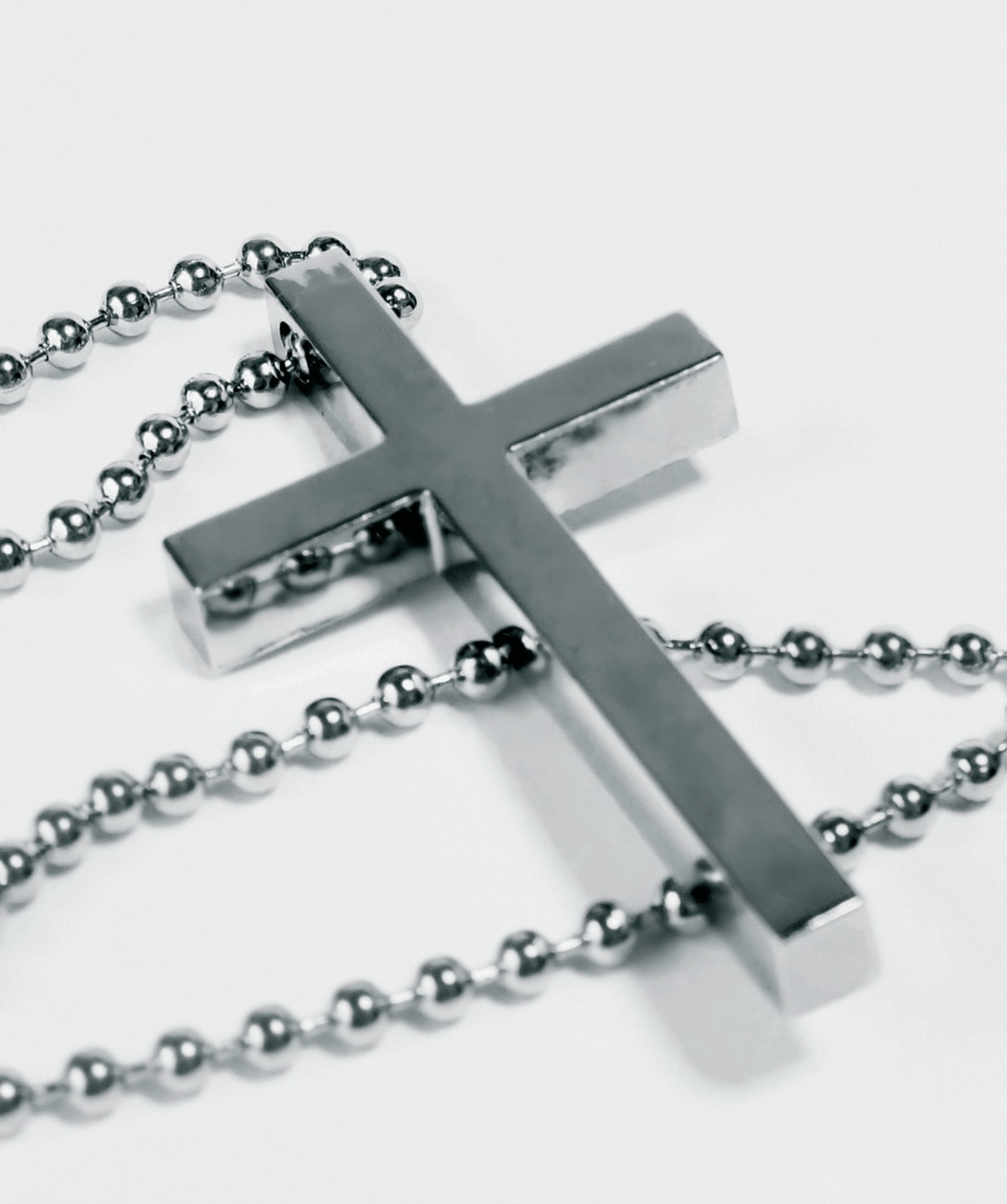
Similar issues arose regarding certain Christian items of clothing. In October 2006 a Christian called Nadia Eweida, employed by British Airways as a member of the check-in staff, was sent home without pay because she refused to cover up a Christian cross that she wore around her neck. British Airways claimed that their uniform policy prohibited the showing of any kind of jewellery or adornment around the neck. She said: ‘I believe that is a very important issue on the matter of expressing Christianity and employees having their say in the way they express their faith.’
British Airways responded by saying that all religious symbols on chains should be worn underneath the uniform, but admitted that they did allow Sikhs to wear turbans or Muslim women to wear the hijab because these items cannot be covered up. Nadia Eweida stayed away from work, unpaid, for several months. She has since returned, without the cross.
So is there religious freedom in the UK? Well, to a point, yes, but there are still a number of areas where controversy and uncertainty remain.