
Deprecated: mb_convert_encoding(): Handling HTML entities via mbstring is deprecated; use htmlspecialchars, htmlentities, or mb_encode_numericentity/mb_decode_numericentity instead in /mnt/storage/stage/builds/pugpig-site-subs-server/latest-1.2.0-1753096337.768322/pugpig-site-subs/content.php on line 225
Religion-specific television Does it have any value?
TV programmes on religious themes tend to challenge the role of religion in the modern world rather than target a faith-based audience. Gordon Reid looks at the role of religious broadcasting today
‘Television is the most powerful communication ever devised by man.’
TV evangelist Billy Graham
Religion-specific broadcasting is concerned with programmes that are directly about religion. Section 4 of the Broadcasting Code defines religion-specific broadcasting as:
‘ a religious programme which deals with matters of religion as the central subject, or as a significant part, of the programme.’
Specialist television channels
With the growth of satellite TV, there are now many specialist religious channels. In addition, the UK terrestrial channels (BBC, ITV etc.) must offer a certain quantity of religion-specific programmes as part of what is known as ‘public service broadcasting’. The Broadcasting Code, which is monitored by the Office of Communications (Ofcom), requires that terrestrial channels:
■ treat religion with respect
■ do not use abusive treatment towards the views of one religion over another
■ do not allow religious views or beliefs to be promoted by stealth
■ do not seek recruits to the faith
■ make the identity of the religion they are dealing with clear
■ be aware of when children might be watching and, at those times, to not make claims that a living person or group has special powers
Viewing figures are in sharp decline and have more than halved since 2006. So who still watches religion-specific programmes in the UK? It is mainly the elderly or infirm and those restricted to their homes and unable to go to places of worship. For such people, these channels provide a real link to religion. Popular programmes include documentaries, debates and religious discussions of controversial issues, made in a documentary style, which try to promote a better understanding of a range of faiths, in keeping with increasingly multi-faith Britain.
WHO STILL WATCHES RELIGION-SPECIFIC PROGRAMMES IN THE UK?
Popular programmes
The most popular religion-specific TV broadcasting includes:
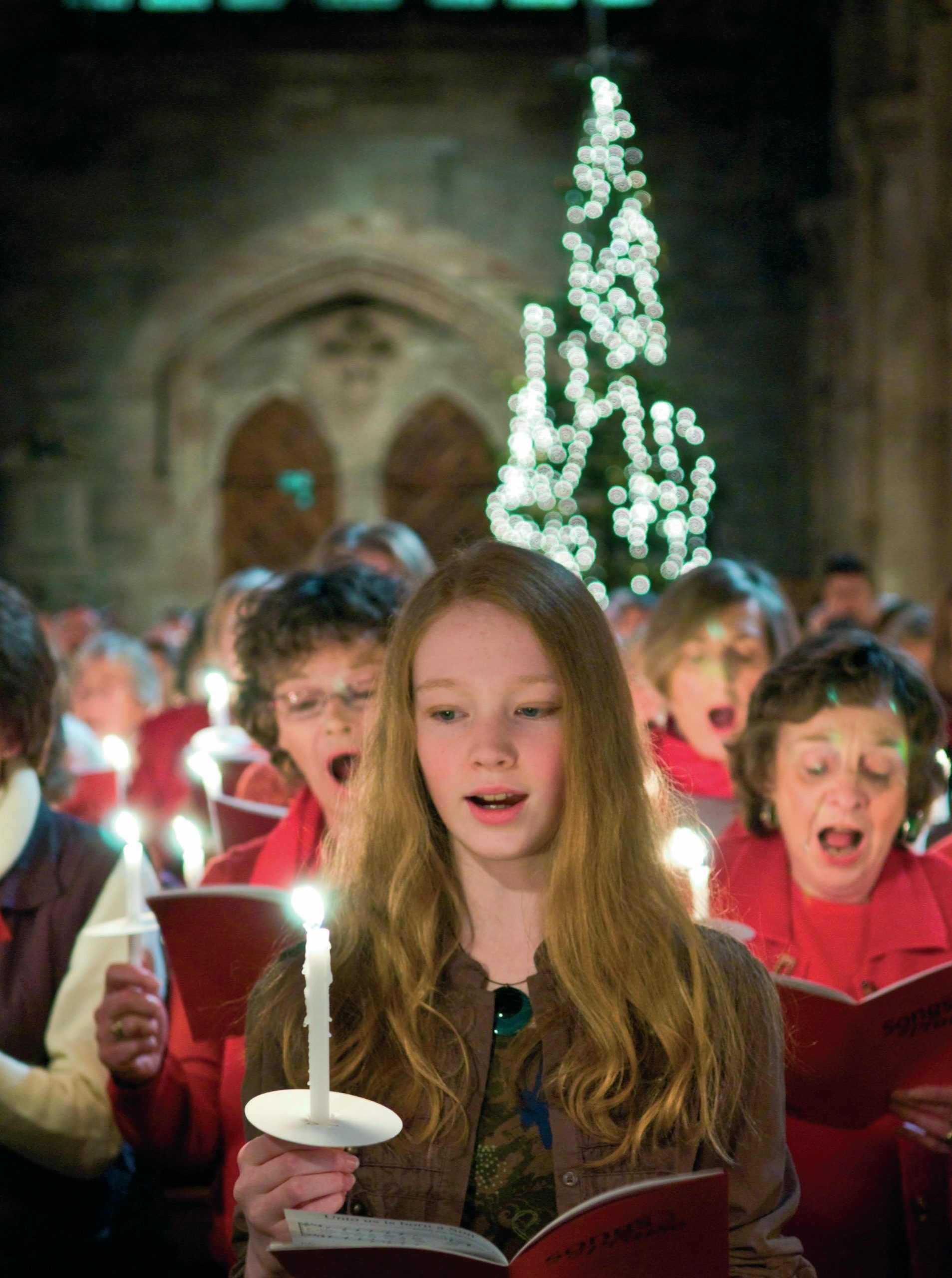
■ Songs of Praise —a religious service, normally Christian, interspersed with scenic views and historical backgrounds
■ The Big Questions —a debate, often involving celebrities, concerning moral and religious questions and dilemmas
■ satellite channels — including specialised channels and programmes aimed at specific groups (e.g. The Sikh Channel, Islam Channel and Christian evangelist channels such as the God Channel, Gospel Channel, Revelation TV and Loveworld TV)
■ documentaries — programmes such as Everyman, Dispatches and Witness, which examine a range of religious issues from the standpoint of a documentary (e.g. the life of Christ, euthanasia and abortion)
Other channels, for example The History Channel and The Discovery Channel, often have documentaries involving religious and ethical issues, such as Bible controversies and genetic engineering. There have also been a couple of religious reality programmes such as The Monastery and Extreme Pilgrim where ordinary people have lived with monks or in religious communities.
The Ofcom Report 2005 highlighted three main types of religious television that people seemed to be asking for:
■ worship-style programmes — showing religious services and testimonies from believers
■ informative programmes — documentaries concerning issues of religious belief, such as world events, weddings, funerals and religion in history
■ inclusion into mainstream programmes — in particular, for soaps to be more willing to include real-life religious issues and to portray them in a more accurate and relevant way (see RELIGIOUS STUDIES REVIEW, Vol. 11, No. 3, pp. 2–4)
DOES RELIGION-SPECIFIC TV HAVE ANY VALUE TODAY?
Religious themes
Religion-specific programmes on terrestrial channels, other than Songs of Praise, have become less and less popular. As a result, broadcasters are moving away from religion-specific TV programmes and are instead trying to include religious themes in everyday programmes such as The One Show. Faith communities have been featured, with small sections of the main programme being devoted to minidocumentaries on festivals and rituals.
There is also a range of documentaries that have addressed difficult religious concerns, as well as comedy and drama shows such as the Vicar of Dibley and Rev which have examined everyday Christian religious dilemmas, while Goodness Gracious Me and The Kumars at No. 42 looked at religious issues surrounding Asian faith communities.
Clear decline
But, in truth, religion-specific TV is in a crisis — simply because so few people watch it. In 2010, ITV cut religious output to just 1 hour per year, while there is no religion-specific broadcasting at all on Channel Five or Freeview. The BBC, meanwhile, is obliged to show 110 hours per year as part of its licence to broadcast.
In February 2010, the General Synod, which is the national assembly of the Church of England, expressed ‘deep concern’ at the reduction in religion-specific broadcasting. The TV channels responded by saying that audiences were falling because people were no longer interested in such programmes. The Rt Rev Nigel McCulloch, Bishop of Manchester, commented that:
‘the level of financial pressure is radically affecting the channels’ willingness to commission and broadcast religious programmes.’
Daily Telegraph, 23 June 2010
John Cresswell, then chief executive of ITV, took up the financial theme by declaring that:
‘ITV has to focus on programmes that deliver large audiences and so provide commercial return. Audiences have chosen not to watch ITV’s religious output and this has meant that religious programming on ITV1 has become commercially unsustainable. In the light of these economic and viewing trends, we have had to significantly reduce the broadcast of religious programmes.’
Daily Telegraph, 23 June 20 10
In a similar way, Dawn Airey, then chairperson of Channel Five , quoted the channel’s Statement of Programme Policy for 2010:
‘We have no definite plans to show programmes on religious subjects this year. This reflects both the commercial pressures on us and our more entertainment-led programming strategy.’
So does religion-specific TV have any value today? Financially the answer is no, and decline in audience numbers reflects a serious lack of public interest. Apart from a few specialist groups, there is simply no significant viewing interest in such TV programmes.
What about radio?
In radio, on the other hand, religion-specific broadcasts such as Thought for the Day (Radio 4) and Pause for Thought (Radio 2) are very popular and have considerable audiences of listeners. This may be where the future of religious broadcasting lies. As Nigel Holmes, a former BBC radio producer, told the Synod:
‘In radio, they tend to value spiritual subjects. In television, lack of innovation combined with marginalized scheduling would appear to suggest that they have largely shunned them.’
Daily Telegraph, 23 June 2010
RSReviewExtras
Go to www.hoddereducation.co.uk/ rsreviewextras for further resources on religion-specific television.