
Deprecated: mb_convert_encoding(): Handling HTML entities via mbstring is deprecated; use htmlspecialchars, htmlentities, or mb_encode_numericentity/mb_decode_numericentity instead in /mnt/storage/stage/builds/pugpig-site-subs-server/latest-1.2.0-1753096337.768322/pugpig-site-subs/content.php on line 225
Religion in the soaps
Television soaps are popular with viewers of all ages, but how do their storylines tackle religious issues? Gordon Reid takes a look
WJEC AS RS1/CS: Introduction to religion in contemporary society Edexcel AS Unit 2A: Investigations — The study of religion
‘Soaps tend to use stereotypes…Christians are mad fundamentalists, the Hindus are in arranged marriages.’
Dr Chakravarthi Ram-Prasad, select committee report on the BBC (2005)
Soaps began on American radio in the 1950s as serials sponsored by soap powder companies. In our society today, ‘soap opera’ is the name given to television serials that try to reflect everyday life and experiences — Coronation Street, EastEnders and Emmerdale, for example. They are usually long-running serials and differ from other television series (such as The Vicar of Dibley or The Simpsons) in that the soap storylines carry on from one episode to the next rather than each episode having a self-contained plot. Daniel Chandler in The TV Soap Opera Genre (1994) wrote:
‘Television soap operas are long-running serials concerned with everyday life…A series is advertised as having a specific number of episodes but serials are potentially endless.’
Soaps are very popular with ordinary people and can have a considerable influence on daily life as people talk about their current storylines, especially when they deal with difficult religious and moral issues involving sex, drugs or crime. Merris Griffiths in Why are soap operas so popular? (1995) observed:
‘Soaps do not claim to offer single solutions to the problems they portray, but explore all the relevant possibilities. There are no objective truths, no answers.’
Critics claim that the producers of soaps do not always tackle religious issues well because they are worried about offending members of different religious faiths. As a result, until fairly recently soaps have declined to deal with religious issues head on. Instead, they have concentrated on themes of love, forgiveness, kindness and community which are reflected in the moral and religious aspects of their characters’ lives.
Coronation Street
The longest-running UK television soap is Coronation Street, which has been on television since 1960. It centres on the lives of residents in a street in Weatherfield, a fictional town near Manchester. The street itself comprises old terraced houses, a corner shop, a nearby garage and factory, and a pub called ‘The Rover’s Return’ which is at the heart of the community and the centre for much of the action.
Coronation Street has been widely criticised for underrepresenting members of different faith communities and for trivialising religion. The programme makers are seen by critics to be ‘playing safe’ because they are afraid of offending religious believers. Religious weddings and funerals are portrayed, but the show tends to concentrate on moral dilemmas rather than religious ones. Recent storylines have included murder, abuse, unwanted pregnancies and transsexuality. Religion is generally kept in the background and the religious views of the characters are implied rather than explicit. For instance, the Hindu beliefs of Dev and Amber were never really investigated.
Why so afraid of religion?
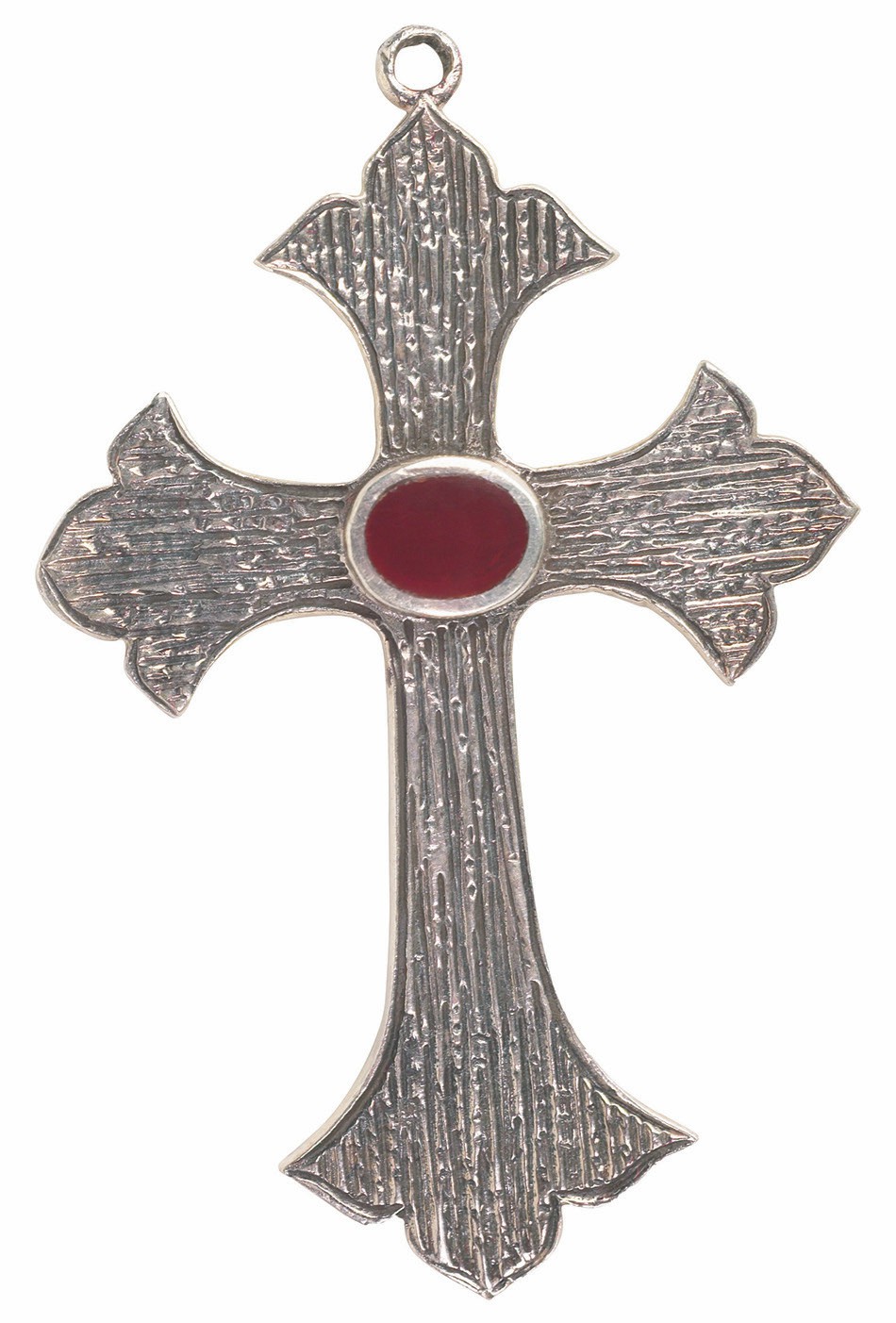
Why are the makers of Coronation Street so afraid of religion? Perhaps the answer lies in the backlash against a religious wedding episode in 2009, where ITV received a large number of complaints because, while filming the traditional wedding of Tyrone and Molly, the makers hid the Christian cross in the church behind some flowers. The vicar of the church, the Rev James Milnes, claimed they had hidden the cross because of ‘political correctness’ so that people would not be offended. He said it took away ‘…the very thing that makes it a church’ (Daily Telegraph, 14 January 2009).
An ITV spokesperson admitted: ‘Covering up the cross was an error and we apologise for any upset.’
EastEnders
Another hugely popular soap is EastEnders, which began in 1985 and is set in the fictional London borough of Walford. The action happens around Albert Square — a Victorian square with houses, mall businesses, a market, and a pub called ‘The Queen Vic’ which, like the Rover’s Return’ in Coronation Street, is the centre of the action.
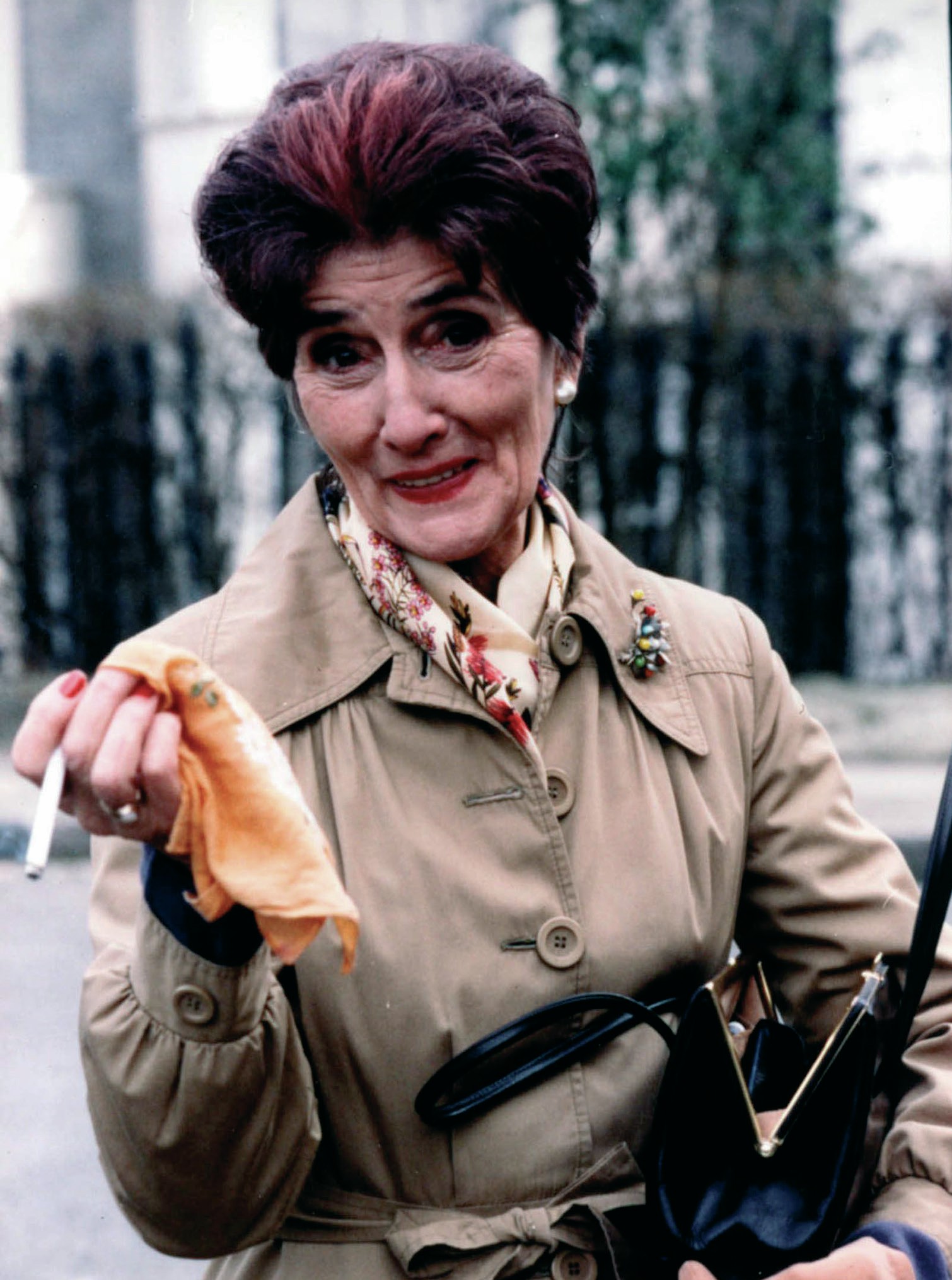
EastEnders has on occasion been prepared to engage in religious storylines. gave morphine tablets to her dying friend Ethel Skinner in a case of assisted suicide. After Ethel died, Dot became guilt-ridden and prayed: ‘I only did it because I loved her…I am scared. I have committed a crime, but have I committed a sin, an unforgivable sin?’ She reported the matter to the police, but no action was taken.
Other religious/moral issues tackled have included a storyline in 2004 about the abusive husband–wife relationship between Mo and Trevor Slater, and in 2008 adultery and promiscuity were examined through the relationships between Max, Stacey and Bradley and a paedophile, Tony King, who groomed teenager Whitney Dean. But the soap has also received its fair share of complaints, for example, in showing Muslim postman Masood Ahmed secretly eating during the holy time of Ramadan.
One of the most notorious storylines occurred when Christian preacher Lucas Johnson attacked his wife and murdered a love rival. So many complaints were received from viewers that the BBC responded by saying the matter wasn’t relig ious:
‘Lucas is certainly not intended to be representative of Christians. He is a very damaged and dangerous individual who has created a twisted version of the Christian ‘faith’ in his mind to hide behind and to convince himself that his actions are acceptable.’

MANY CHARITIES HAVE PRAISED SOAPS FOR HELPING VIEWERS TO GAIN A GREATER AWARENESS OF REAL-LIFE PROBLEMS
Anger in the gay and Islamic communities
Perhaps the most controversial religious storyline of all in EastEnders was the gay relationship of Christian Clarke and Syed Masood in 2011, which caused considerable anger within both the gay and Islamic communities. Singer George Michael commented via Twitter: ‘Gay people deserve better than the BBC’s pathetic attempts to represent us.’ He said the storyline was inaccurate and did not reflect the real-life situation, calling it ‘…insulting to the gay community and insulting to the Muslim community’. A spokesman for the BBC replied: ‘EastEnders reflects a wide range of issues and all soap characters face their own trials and tribulations.’
In 2005, the House of Lords’ select committee report on the BBC concluded that EastEnders was guilty of stereotyping and inaccurately representing different faith communities. The editor of the Sikh Messenger, Dr Indarijit Singh, accused the BBC of an anti-religious bias:
‘Dot Cotton is an example. She quotes endlessly from the Bible and it ridicules religion to some extent.’
Raising awareness or inappropriate?
However, soaps do tackle moral and ethical issues in their storylines, including murder, rape, euthanasia, HIV and drug addiction. Many charities have praised soaps for helping viewers to gain a greater awareness of real-life problems — for example, following the EastEnders storyline that angered the gay and Islamic communities £2,000 was donated by viewers to the gay charity Stonewall.
On the other hand, while it is true that soaps can educate and encourage viewers to make moral decisions, critics argue that they also expose children and young people to a range of difficult issues that are inappropriate for their age group. Mary Whitehouse, founder of the ‘Cle an-up TV’ campaign, said:
‘It too, that we allow EastEnders, with its verbal aggression and its atmosphere of physical is at our peril and at the children’s peril violence, its homosexuals, its lies and deceits and its bad language, to go unchallenged.’