
Deprecated: mb_convert_encoding(): Handling HTML entities via mbstring is deprecated; use htmlspecialchars, htmlentities, or mb_encode_numericentity/mb_decode_numericentity instead in /mnt/storage/stage/builds/pugpig-site-subs-server/latest-1.2.0-1753096337.768322/pugpig-site-subs/content.php on line 225
The Church of England Time to end the privilege?
The association between church and state is troubling for many people today. Gordon Reid examines whether it should be disregarded in the twenty-first century
The UK is generally seen as a Christian country even though it has citizens of many different religious beliefs. UK laws and traditions are broadly Christian in origin and parliament, when considering the making of new laws, tends to put a Christian emphasis on them (e.g. the recent legislation on same-sex marriage).
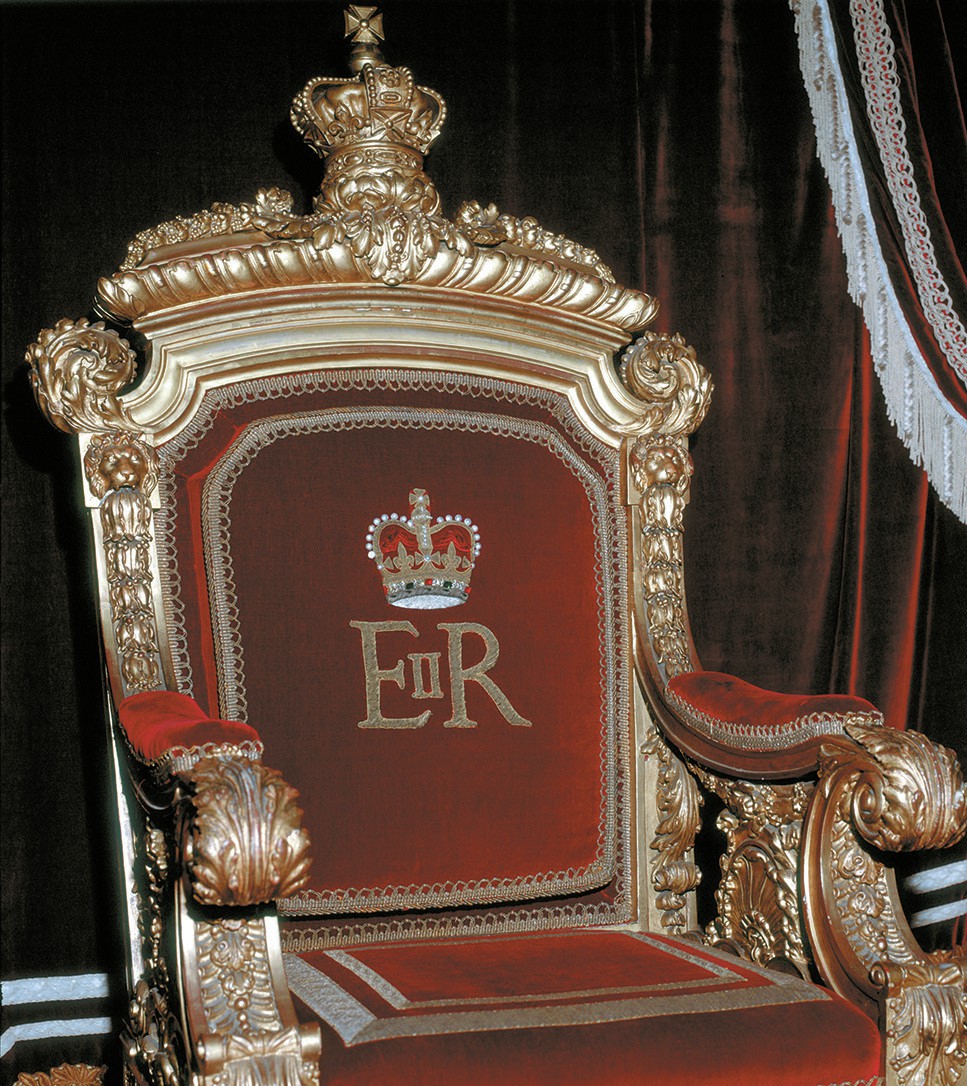
The Church of England is the established or state church of the UK. This means that the queen is the supreme governor of the Church, and the Church is linked to the state — it has a political role and performs a number of official functions. This all happened because King Henry VIII passed the Act of Succession and the Act of Supremacy to break away from the Roman Catholic Church. The acts made the king the ‘Supreme Head of the Church of England’.
Some countries, instead of a state church, have a state religion. This happens when the people of a nation choose a faith — for example, Christian Orthodoxy in Bulgaria and Buddhism in Cambodia. A country in which religion plays no direct part in the governing of the state is called a ‘secular state’ — for example, North Korea disapproves of all religions and obliges religious believers to practise in secret.
Religions and state churches
So what are the differences between state religions and state churches? First and foremost, state religions usually have the support of the majority of the population and many people have a strong allegiance to them. A state religion is usually fairly open and allows for a wide range of opinions and views to co-exist. On the other hand, a state church may not have the support of the majority of the people and few may be active churchgoers. However, the views of the state church, because it is supported and endorsed by the state, may have a huge influence on the way government decisions are made.
Today in the UK, the Church of England remains the state or established church. The monarch has the power to approve the appointment of archbishops and bishops, formally open the General Synod (the Church’s governing body) and to maintain the power of the Church.
Moreover, being the state church gives the Church of England great political power. In parliament, the Church is allowed to appoint 26 Lords Spiritual. These are bishops who sit in the House of Lords and can use their position to review and amend parliamentary legislation. No other church or religious group can do this. The Church of England also takes exclusive responsibility for national religious events such as royal weddings and funerals, national memorial services and major state occasions.
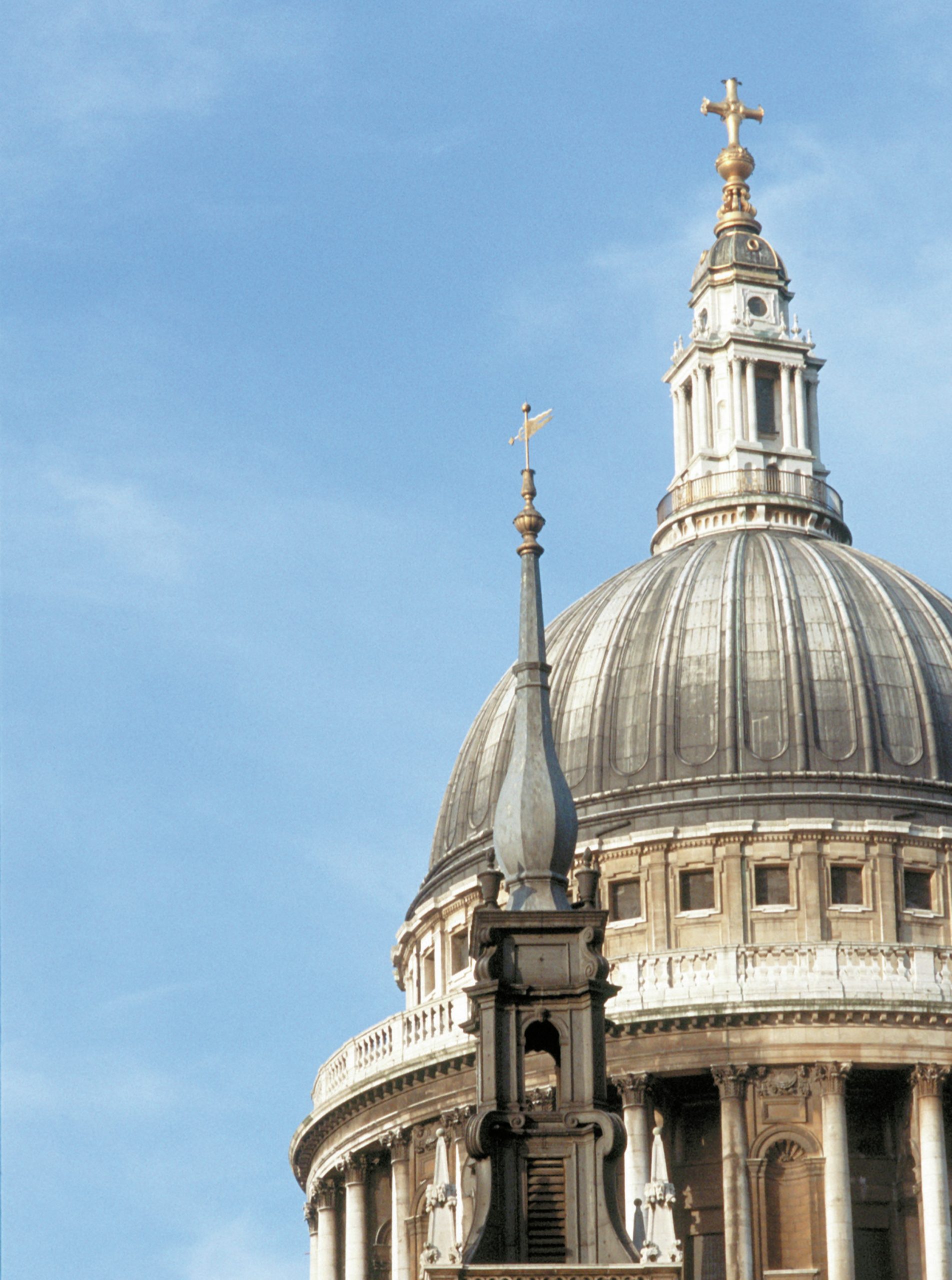
In the UK the Church of England gets special tax concessions from the state, giving it great wealth, and it owns land and assets worth £6 billion. In contrast, the Roman Catholic Church in England, which has about the same number of members, has assets of only £350 million.
Modern support
Those who support the Church of England having such privileges offer the following justifications:
■ The majority of people in the UK claim to be members of the Church of England.
■ The UK is a Christian nation.
■ Having the Lords Spiritual in the House of Lords helps parliament to understand the importance of the religious dimension.
■ The religious influence of the Church of England in the parliamentary process protects the interests of Christians all over the UK.
■ It is impossible to separate religion and politics, since both are crucial aspects of life.
■ Religious believers have a moral responsibility to campaign for political issues that are in line with the teachings of their faith.
■ Religious believers have always been involved in politics. For example, Archbishop Desmond Tutu campaigned against apartheid in South Africa.
■ It is important to put the will of God before power, money and self-interest.
■ Religion can ensure that the government acts in a good and morally correct way, respecting human rights, the elderly, the poor and the needy.
THERE HAVE BEEN INCREASING CALLS FOR THE CHURCH OF ENGLAND TO CEASE BEING THE STATE CHURCH
Supporters argue that there are many members of parliament who are not members of the Church of England and are, in fact, active members of other faiths — for example, members in the House of Lords have included Lord Ahmed, a prominent Muslim, and Sir Jonathan Sacks, the chief rabbi.
Parliament may also be influenced by other religious pressure groups, which campaign on issues affecting their faith community — for example, the Muslim Council of Britain, the Hindu Council UK, the Jewish Council and the Buddhist Council.
Many members of parliament who belong to faiths play an active part in important state occasions, such as remembrance services. Former prime minister Gordon Brown said:
‘Currently fourteen faith leaders are invited to attend the Remembrance Sunday Ceremony and proceed into Whitehall, where they stand in observance during the two minutes’ silence, the formal wreath-laying and the subsequent religious service.’
Modern challenges
However, critics argue that in the twenty-first century there is no place for such religious privilege in the Church of England for the following reasons:
■ The UK is a secular society.
■ The privileged role of Christianity is unfair to other faiths in the UK.
■ Religion can block issues that the secular population finds more acceptable — for example, legislation relating to homosexuality.
■ The Lords Spiritual are not democratically elected and so should not sit in the House of Lords.
■ Less than 1 million people attend Church of England services each week and numbers are falling.
■ The system prevents members of other faiths from marrying into royalty. This is religious discrimination. One government minister, David Cairns, remarked: ‘It is simply untenable in this day and age that should the heir to the throne want to marry a Roman Catholic he would have to renounce his rights. It’s absurd.’
■ The majority, who are non-believers, may resent religious involvement in secular matters.
■ Religious believers should be concerned about spiritual development rather than politics.
■ UK society is multicultural and made up of a number of religious faiths and it may be that, to avoid conflict, all religions should stay out of politics.
■ The Bible teaches that Christians should obey political leaders because authority has been given to them by God. ‘Everyone must submit himself to the governing authorities, for there is no authority except that which God has established. The authorities that exist have been established by God’ (Romans 13:1).
There have been increasing calls for the Church of England to cease being the state church — in other words, to be ‘disestablished’ on the grounds that the UK is a secular society and the privileged position of the Church should end. Even the Archbishop of Canterbury, Dr Rowan Williams, seemed to have his doubts when in December 2008 he said that it would ‘by no means be the end of the world if the Establishment disappears’.
Alan Michael, the former Welsh secretary, said in support: ‘The Archbishop got it absolutely right. It would not be the death of the Church of England if it were disestablished.’
However, the official position of the UK government remains. One wonders for how long?
‘The Church of England is by law established as the Church in England and the monarch is its supreme governor. The government remains committed to this position.’
Ministry of Justice