
Deprecated: mb_convert_encoding(): Handling HTML entities via mbstring is deprecated; use htmlspecialchars, htmlentities, or mb_encode_numericentity/mb_decode_numericentity instead in /mnt/storage/stage/builds/pugpig-site-subs-server/latest-1.2.0-1753096337.768322/pugpig-site-subs/content.php on line 225
grade booster
Religion and morality Key questions
Religion and morality are fundamental aspects of religious ethics in all A-level specifications. But how far does your knowledge and understanding go? Test yourself with these questions
Questions
1 What was Plato’s Euthyphro dilemma?
2 Why, according to some religious believers, does God have the right to declare what is good?
3 What does it mean to say that God is the perfect form of the good?
4 In what sense can it be argued that human goodness reflects God’s goodness?
5 Why, arguably, does God only command that which is good? Identify one problem with this claim.
6 Which scholar observed that the existence of moral commands ‘implies that there is One to whom we are responsible, before whom we are ashamed’?
7 In what sense might our experience of morality lead us to conclude that a personal lawgiver (God) exists?
8 Why, if there is a God, would this impose a moral obligation on us to be good?
9 In which book did Kant develop his theory of religion and morality?
10 What, for Kant, was an obligation?
11 What, according to Kant, was the most important obligation on humanity?
12 Why, according to Kant, did this obligation prove the existence of God?
13 What assumptions are made by moral arguments for the existence of God?
14 What kind of proof is the moral argument?
15 What alternative sources of morality could serve to challenge the link between the existence of God and morality?
16 Why might a sociological or psychological explanation of morality be more convincing to some?
17 What is an immoral action?
18 What are objective moral laws?
19 In what ways might morality count against the existence of God?
20 Who said ‘I don’t say that these things are good because they participate in divine goodness’? What did he mean?
21 Outline an existentialist understanding of morality.
22 Outline Nietzsche’s understanding of morality.
23 Explain a relativist view of morality.
24 What is a supranaturalist view of ethics?
25 Explain what is meant by hard determinism.
26 Explain what is meant by soft determinism.
27 Explain what is meant by practical freedom.
28 Explain what is meant by metaphysical freedom.
RSReviewExtras
Go to www.hoddereducation.co.uk/RSreviewextras for a PDF of this poster that you can print off and display in class.
Answers
1 Are things good because God commands them, or does God command that which is good?
2 Life and the universe are God’s creation, to do with as he chooses; if God is the supreme God, then he alone knows what is good; human beings are called to live a life of obedience to God.
3 God is the supreme being and the source of all goodness. According to Plato, all things must aspire to the absolute form of the good. True goodness is to be found in the unseen realms, not the empirical world.
4 Human goodness is judged by reference to God’s supreme goodness and because God is the cause of all goodness human goodness owes its origin to him. Aquinas’ fourth way — the gradation of things — suggests an analogical relationship between God and his creation. Beauty, truth, goodness, nobility, love, and all positive qualities belong first to God and are reflected in creation.
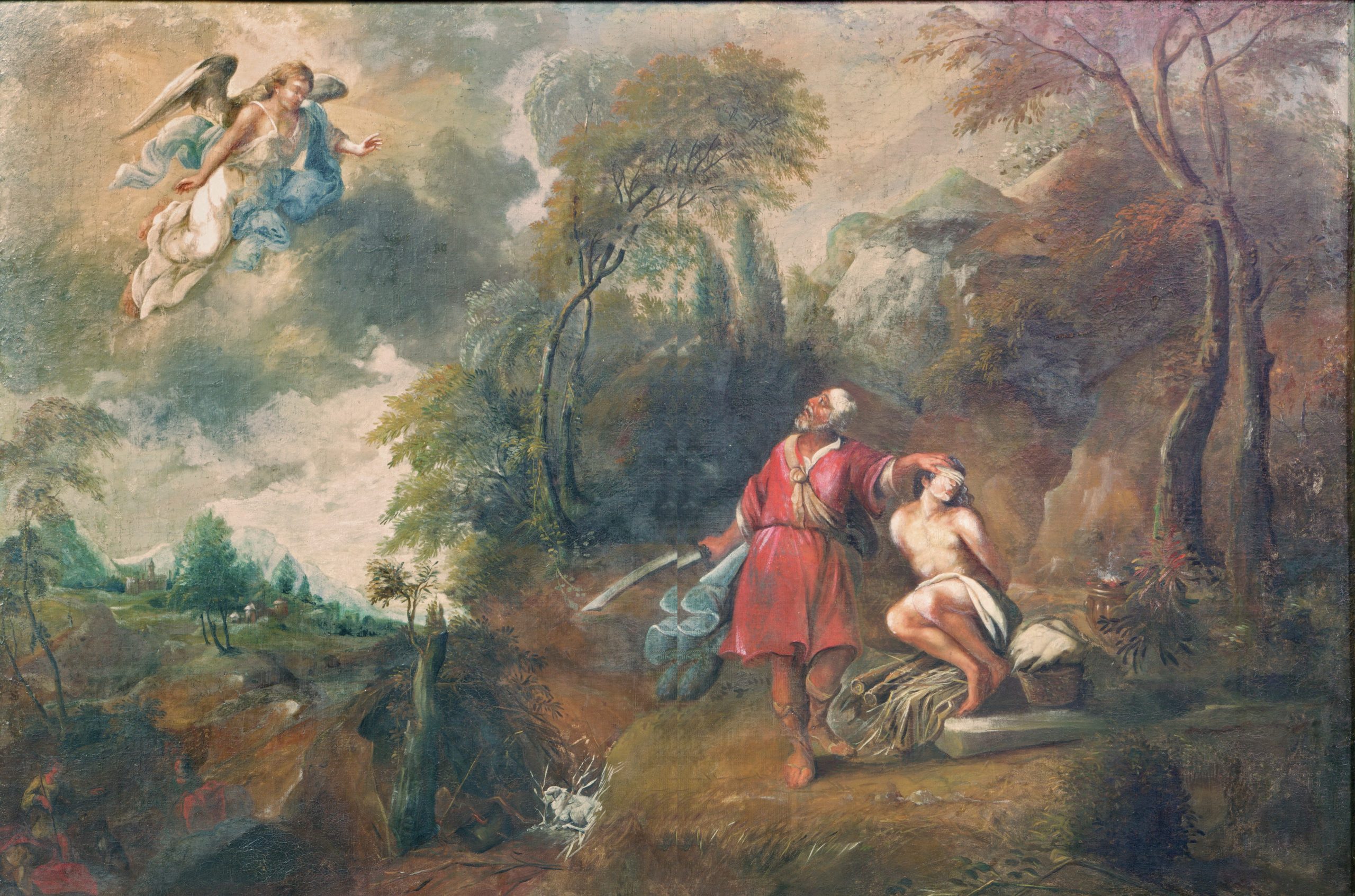
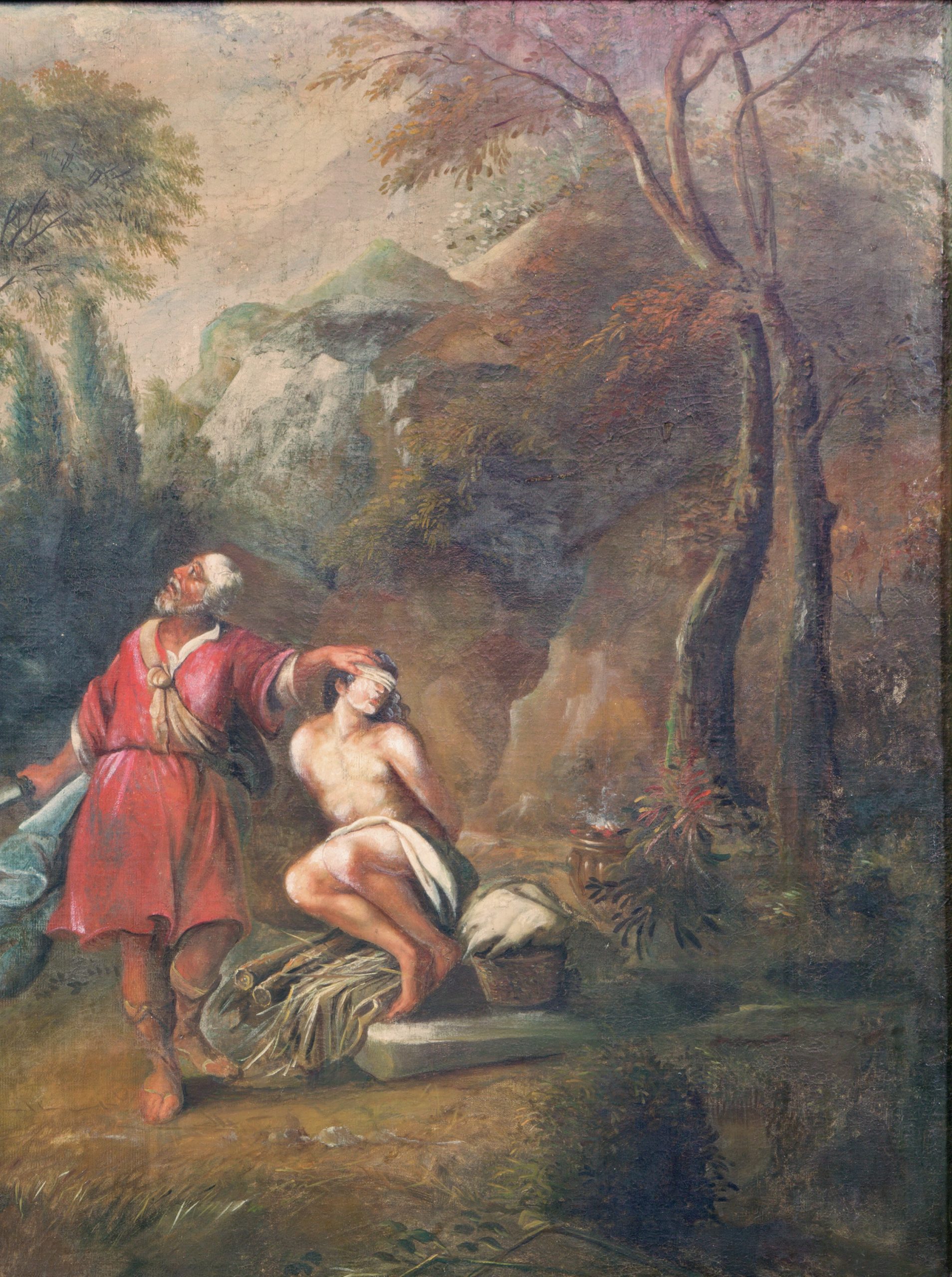
5 If God is the supreme good, then, by implication, he cannot command anything other than good. However, what do we make of God’s commands that seem to go against commonly perceived morality, such as the command to Abraham to sacrifice Isaac (Genesis 22)?
6 J. H. Newman. This may support the view that conscience is God-given and responds to his promptings.
7 If there is no moral commander, then our moral experience has no foundation and therefore would make no sense. Nonmoral commands are not assumed to be self-explanatory, so why should moral commands similarly require no explanation?
8 If God is creator, then it could be argued humans owe him a moral obligation to be good. However, since humans are given free will, the choice to be obedient remains with them. The existence of any command, moral or nonmoral, does not compel obedience, although it may recommend it.
9 The Critique of Pure Reason
10 An obligation is something which ought to be accomplished for no other reason than it is the right thing to do. He called these categorical imperatives — actions which are performed out of duty and for their own sake.
11 To attempt to fulfil the perfect state of affairs — the summum bonum.
12 Because, however hard humans try, they will fail to bring about the summum bonum, hence God must exist to realise it in the afterlife. The existence of a god is a necessary prerequisite of morality, which would otherwise be arbitrary and meaningless since the good could not be rewarded, nor the bad punished.
13 That there is an identifiable objective moral law; that God is the most likely, even the only, explanation for morality; that the summum bonum is a desirable goal.
14 A posteriori, since it uses human experience of morality as evidence for the existence of God. However, it assumes a priori that God is the only source of morality, and hence must exist.
15 Social environment, culture, education, family and upbringing, media.
16 Because such explanations are rooted in observable phenomena and in shared human experience, irrespective of religious beliefs, which are essentially unverifiable.
17 An action that is perceived to be contrary to moral law or to a generally agreed understanding of morality.
18 Codes of morality that have an empirical or factual basis and that are unchanging.
19 The existence of differing moral codes among religions; apparently immoral laws which are claimed to have come from God; moral goodness evident in the lives of those who have no religious commitment.
20 Bertrand Russell in dialogue with F. C. Copleston — his argument was that it is possible to distinguish between good and evil without needing reference to God.
21 Humans must make their moral choices without any compass to guide them. The price of human freedom is that we must make our free choices in ‘abandonment and despair’.
22 Humans must make free moral choices in ‘abandonment and despair’ since we are free to define our existence and essence entirely by the way we choose to live. Man’s goal should be the development of an Ubermensch who would establish his own value system.
23 There are no universal codes of right conduct. Relativism maintains that knowledge, morals and ethics are not absolute.
24 The view that moral laws are rooted in nonempirical phenomena which cannot be violated.
25 All freedom is illusory, and our moral choices are entirely determined by factors beyond our control. If we take hard determinism to its logical extreme then we are forced to acknowledge that even holding a deterministic view is itself determined.
26 We are free to perform an action as long as we are not coerced into doing it or prevented from doing it. This is also known as compatibilism.
27 Freedom to do what we wish to do. For example, a person who fears heights will be constrained from climbing a high building.
28 Being responsible for our choices, accepting the consequences of what we freely choose to do.