
Deprecated: mb_convert_encoding(): Handling HTML entities via mbstring is deprecated; use htmlspecialchars, htmlentities, or mb_encode_numericentity/mb_decode_numericentity instead in /mnt/storage/stage/builds/pugpig-site-subs-server/latest-1.2.0-1753096337.768322/pugpig-site-subs/content.php on line 225
Do animals have rights?
In his Introduction to the Principles of Morals and Legislation, Jeremy Bentham said: ‘The question is not, can they reason…but can they suffer?’ Gordon Reid examines the discussion of animal rights
WJEC RS1/2: Introduction to Religion in Contemporary Society Edexcel Unit 2A: The Study of Religion
Aristotle believed that animals existed only to provide for human needs. They were not able to reason and therefore had no moral status and no rights. However, today many have begun to question whether in fact animals do have rights — in particular, the right to proper treatment from human beings. We have seen for ourselves in television documentaries that animals feel happy and sad, they care for others and they mourn their dead. In addition, research has shown just how genetically close humans and animals really are.
There are three possible approaches to the topic of animal rights:
■ Animals have no moral status and are only of value in so far as they are useful to humans. They only act by instinct and cannot reason, so have no free will or conscience and therefore have no moral rights.
■ Animals have a moral status, but are of less worth than humans. They are worthy in themselves but only have limited moral rights — for example, the right not to be mistreated. Humans, as the superior species, may kill animals for food and other good reasons.
■ Animals have the same moral status as humans. If so, then animals have equal intrinsic value and deserve the same rights as humans. Animals should only be killed for food, and not for sport or medical experimentation.
Animals for food
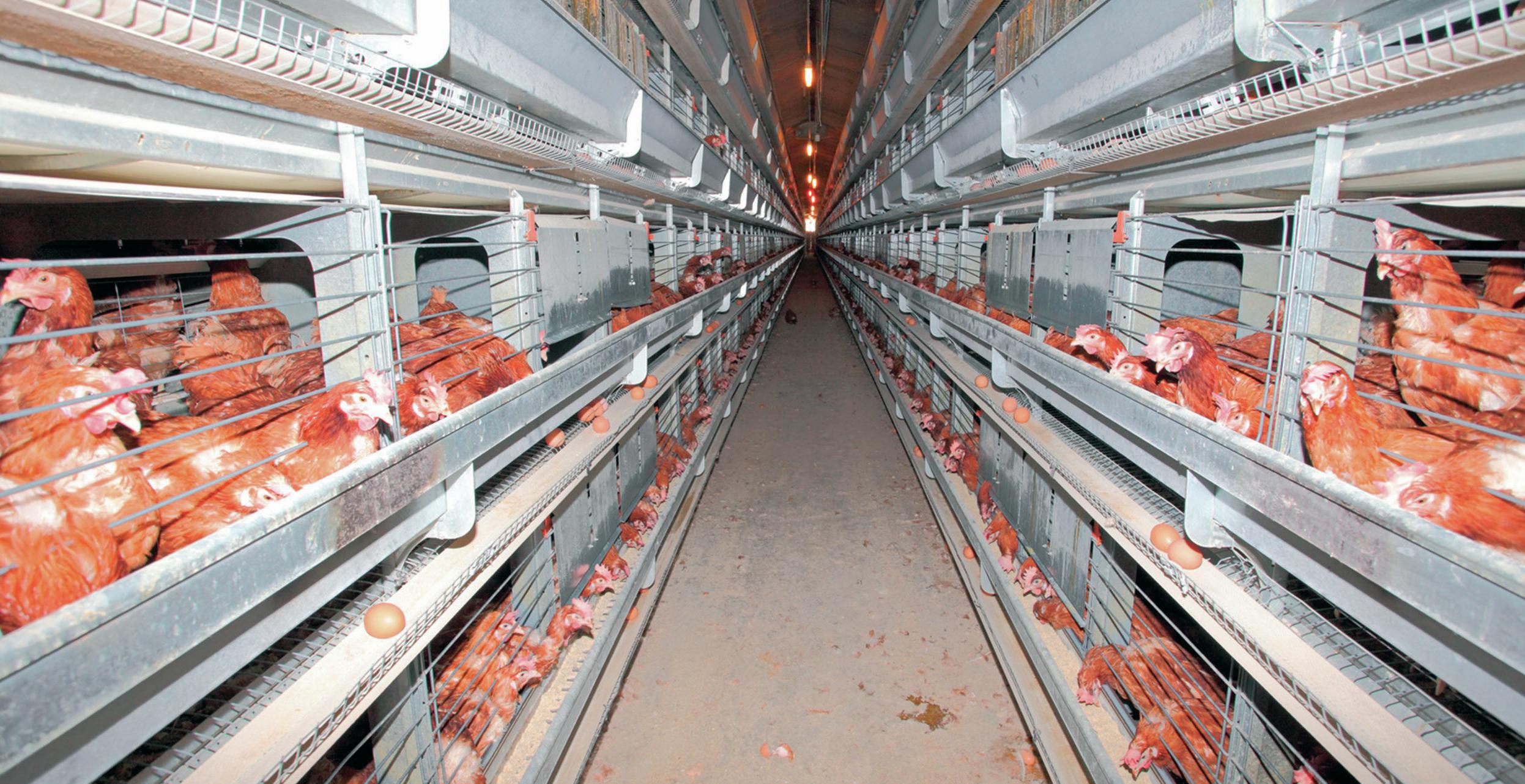
Most animal suffering and death in the world is caused by the human need for food. Intensive industrialised ‘factory farming’ means that animals are often kept in very small spaces in insanitary conditions to maximise profit. Supporters argue that humans are the superior beings and may do as they like with animals. Moreover, humans are meateaters and killing and eating animals is part of the natural order.
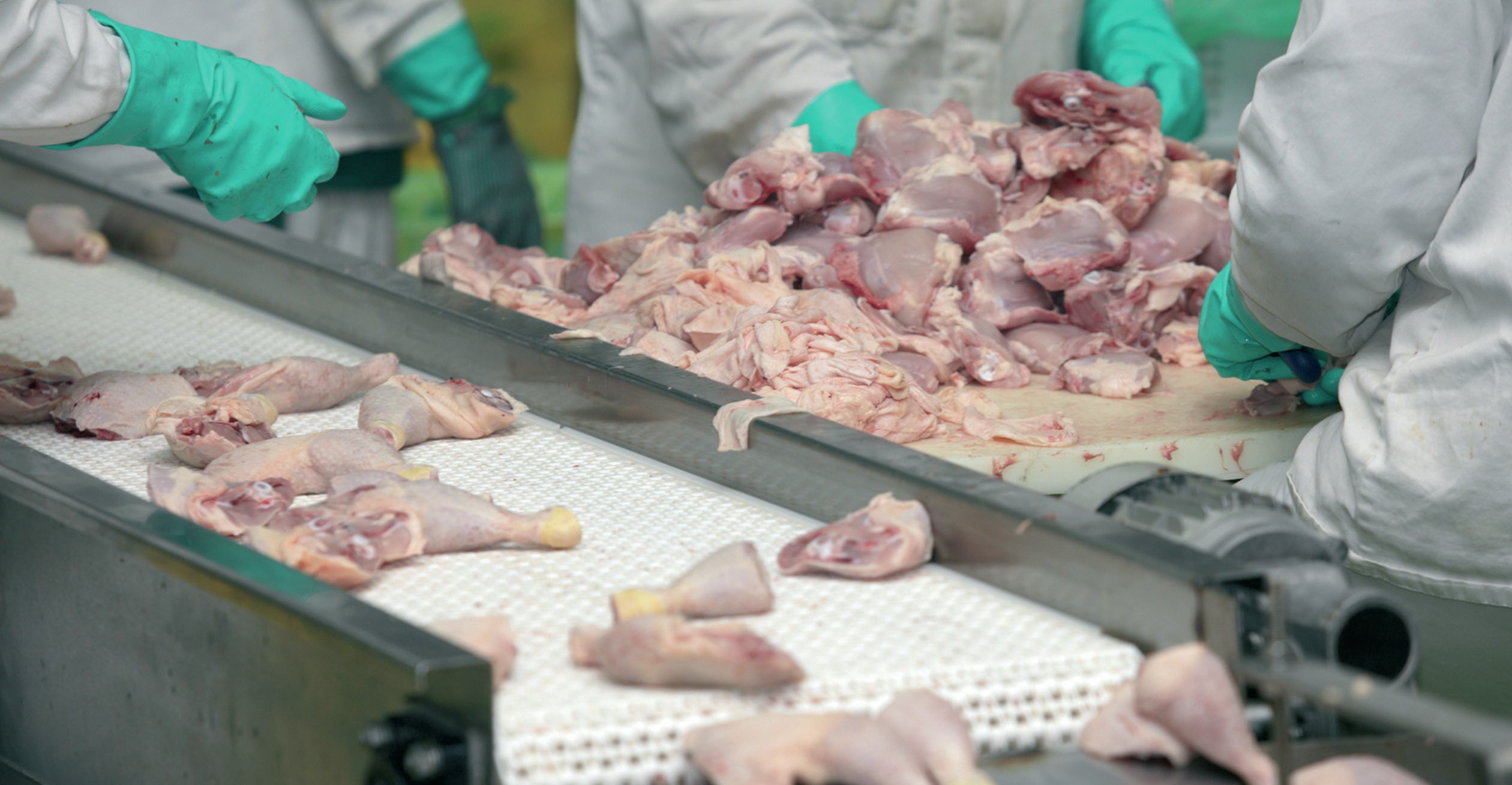
Some people choose to become vegetarian and will not eat meat. Some go further and become vegans, and will not eat or drink any food derived from animals, such as milk, cheese or eggs. They argue that animals have rights, particularly the right to live in good conditions and not to be killed in a brutal way.
Medical research
Different issues are raised by the use of animals in medical research. Every year in the UK about 2 million experiments take place in which animals are used to test medicines before they are used on humans. Some animals are also genetically modified in order to test the effects of cancer. The experiments are mostly carried out on mice and rats, but sometimes larger animals have to be used and many suffer pain and death as a result of the experiments.
Supporters of animal experimentation argue that human life is of greater value than animal life and that experiments provide crucial information that has saved many lives and could not be found in any other way. Animal suffering is controlled by law and medicines have been developed as a result of experimentation — for example, vaccines to fight rabies and polio. Scientists argue that animal experimentation is still needed if they are to find cures for cancer, HIV and other potentially fatal diseases.
Those against animal experimentation claim that it causes unnecessary suffering to animals, degrades us as humans, and that by undertaking experimentation we are neglecting our duty of stewardship and moral care. In addition, they argue that animal experiments are unreliable because the animals are under such stress.
SO-CALLED ‘BLOOD SPORTS’, SUCH AS DOG FIGHTING AND BADGER BAITING, CAUSE SUFFERING TO ANIMALS AND HAVE BEEN BANNED BY LAW, YET STILL GO ON IN SECRET.
Hunting and culling
The hunting of animals is particularly controversial. So-called ‘blood sports’, such as dog fighting and badger baiting, cause suffering to animals and have been banned by law, yet still go on in secret.
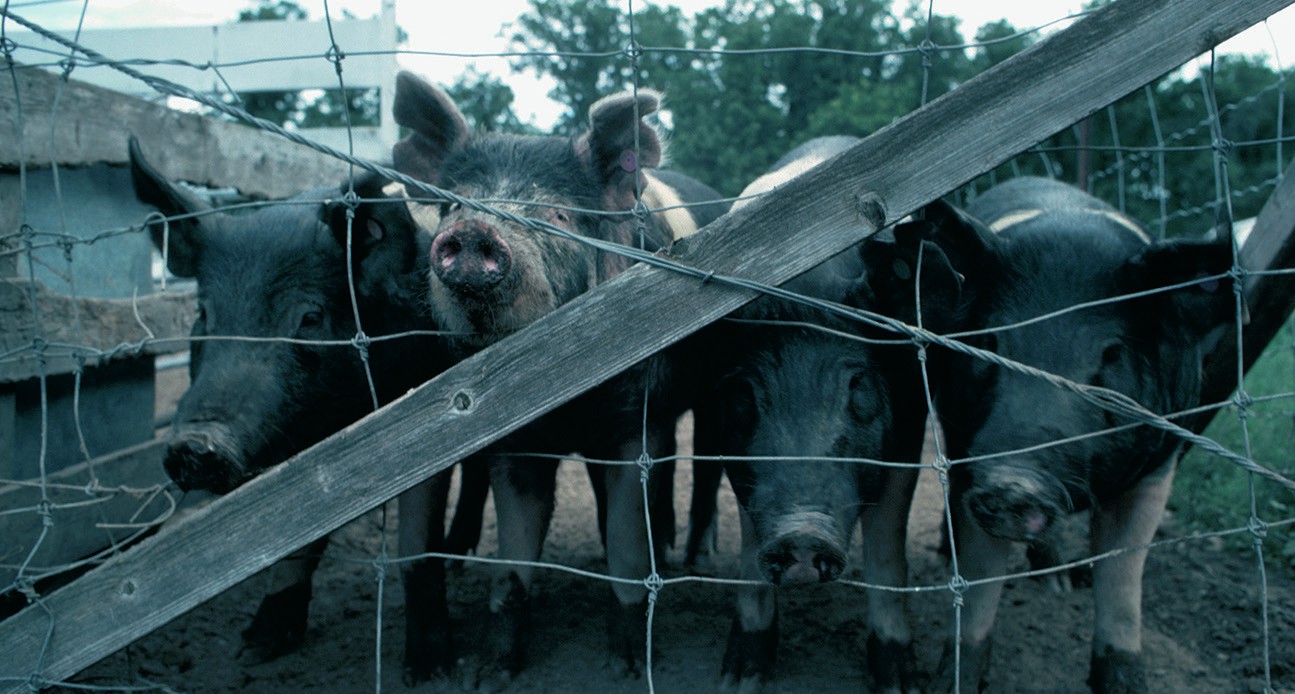
Fox hunting with hounds was banned in the UK in 2004. Supporters of fox hunting in the UK claim that hunted animals are usually those that are a nuisance to farm animals and that hunting is an ancient and traditional sport that should be preserved. Hunted animals die with the minimum of suffering and may be used as food. Opponents of hunting claim that humans have no right to kill animals for amusement, and that just because something is ancient and traditional does not make it right.

Culling occurs when certain animals in a particular area are killed in order to reduce their numbers. If there are too many of a certain kind of animal in one place, they may cause excessive damage to crops or spread disease. Arguments in favour of culling are that it can prevent harm to crops and limit disease among animal livestock and, therefore, can remove animals that are a threat to human life.
Arguments against culling are that it can be brutal and there is no need to kill unwanted animals — they can be removed in other ways that do not involve suffering. Culling is often only a short-term solution and does not really solve the problem.
Animals as pets and in captivity
Many people keep animals as pets and the majority of pet owners treat them well. However, some pet owners are cruel and neglect their pets, and every year nearly 1,000 people are convicted of cruelty under the Animal Welfare Act 2006.
There are concerns about whether certain animals are suitable as pets. For example, while cats and dogs are clearly domesticated, rare species and birds are less well suited as pets. Pet owners claim that many animals are better looked after as pets than they would be in the wild. Having a pet helps us to learn how to act responsibly towards animals, and enables expressions of love, companionship and fun.
However, those against having pets claim that we have no right to keep animals in captivity. Keeping animals at home means they live in an environment that is unnatural to them and, most significantly, deprives them of their right to be free.
Zoos
While zoos are places where animals are used for entertainment, they also protect and preserve endangered species, such as pandas and elephants. In addition, those in favour of zoos point out that they help with breeding programmes to conserve rare species. Most zoos provide good living conditions for animals and some are leading scientific research institutes which help us to understand animal behaviour.
Those against zoos claim that not all animals in zoos are from endangered species and that many zoo animals still live in cramped conditions. We do not need zoos in order to learn about animals, as we can do that through other sources, such as television and the internet.
Religious beliefs
The world’s religions take the treatment and welfare of animals seriously.
Christianity
Christianity teaches that animals exist for the benefit of humans and the Bible teaches that it is permissible to kill and eat animals (Acts 10:11–15). Some Christians oppose the killing of animals, however, on the grounds that they are God’s creation and we must take care of them properly. Jesus said:
‘Are not five sparrows sold for a penny? Yet not one of them is forgotten by God.’
Luke 1 6:6
Judaism
In Judaism, animals can be killed for food, though this must be carried out with the minimum of suffering. This is called the shechitah ritual. The Tanakh teaches that animals must be properly looked after:’
‘Do not muzzle your ox when it is treading out the corn.’
Deuteronomy 25 :5.
The Jewish Declaration on Nature says that humanity accepted responsibility for looking after all of God’s creation and that killing animals for sport goes against the shechitah rituals.
Islam
In Islam animals may be killed for food painlessly according to the halal (permissible) method. Muslims believe that animals are God’s creation and humans are the guardians of creation (Khalifa). The Qur’an states that God has made humans ‘custodians and inheritors of the earth’ (Surah 6:165). On the Day of Judgement, humans will be held accountable for the way they have treated animals.
JUST BECAUSE SOMETHING IS ANCIENT AND TRADITIONAL DOES NOT MAKE IT RIGHT.
Hinduism
For Hindus, animals are part of creation, and the principle of ahimsa (non-violence) means that they must not be harmed. The Bhagavad Gita states:
‘He who hates no creature, who is friendly and compassionate to all…he is dear to me.’
Many Hindu gods have appeared as animals — for example, Hanuman and Ganesha. The cow is sacred and shows the link of care between humans and animals. As a result, many Hindus choose to be vegetarians.
Buddhism
For Buddhists, all living creatures are interdependent — everything depends on everything else. This includes animals and they must be treated with respect. Many Buddhists are vegetarian, and members of the Sangha will not permit animals to be killed for sport or for food. A Buddhist who ill-treats animals will receive bad karma.
Sikhism
Sikhs believe that animals are part of the reincarnation process and should be treated with respect:
‘In so many incarnations, you were an elephant, a fish and a deer.’
Guru Granth Shib