

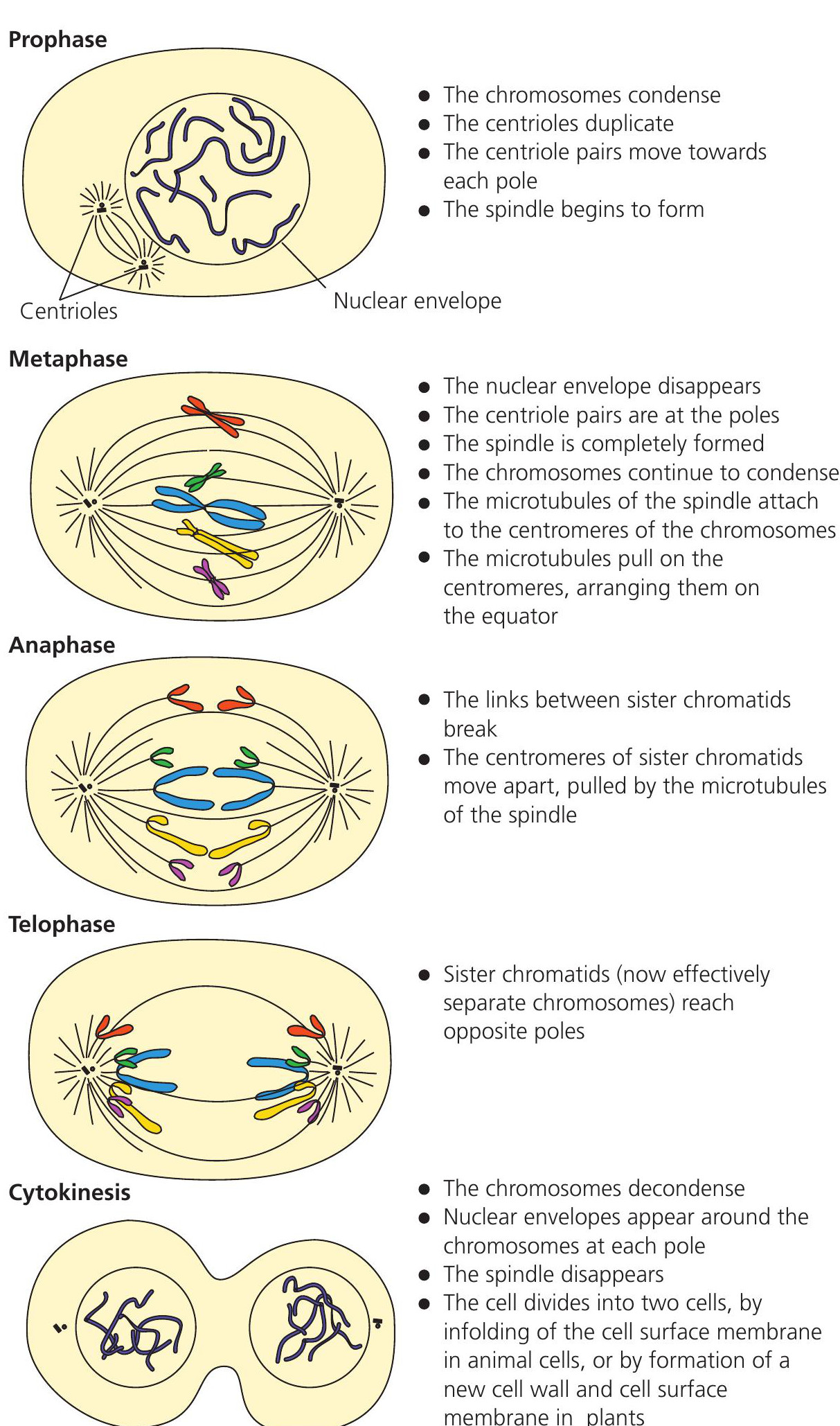
The root squash is a classic technique that is one of the required A-level practicals, allowing you to look for cells undergoing mitosis. This practical enhances microscopy skills, covers examined content and offers opportunities for numerical analysis. There is, however, an important hurdle to overcome — finding and viewing cells undergoing mitosis.
Why do your A-level exam boards consider this important for you to do as biologists? First, mitosis is personal. From the day we were a one-celled zygote through to the day we die, we all go through trillions of cell divisions — trillions of mitoses. The mitotic phase of the cell cycle, the M-phase, consists of mitosis, usually followed by cytokinesis, the separation of daughter cells. It is a fundamental process in the development of multicellular eukaryotes and in the maintenance of organisms through the divisions of stem cells. If we can understand mitosis, then we can consider better interventions to control this process. The importance of this in agriculture, manipulating stem cells, and for curing cancer is critical, and something all biologists should understand early in their careers.
Your organisation does not have access to this article.
Sign up today to give your students the edge they need to achieve their best grades with subject expertise
Subscribe